Best Vitamin D Supplements 2026: D2 vs D3, Dosage Guide, and Top Picks
A routine blood panel last winter showed my vitamin D level at 18 ng/mL — clinically insufficient, despite living in a state that gets decent sunlight. My doctor handed me a prescription for 50,000 IU weekly D2 capsules and told me to come back in three months. The prescription worked, but the side effects (stomach upset, mostly) sent me looking for over-the-counter D3 alternatives that I could dose daily instead. That search turned into a months-long deep dive into forms, dosages, third-party testing, and absorption rates. Here is everything I learned, distilled into a practical buying guide.
Why Vitamin D Deficiency Is More Common Than You Think
The National Institutes of Health estimates that roughly 35% of U.S. adults have vitamin D levels below 20 ng/mL. Office workers, people with darker skin tones, anyone living above the 37th parallel (roughly a line from San Francisco to Richmond, Virginia), and older adults are at elevated risk. Your body synthesizes vitamin D when UVB rays hit bare skin, but sunscreen, clothing, window glass, and winter sun angles all block that process effectively.
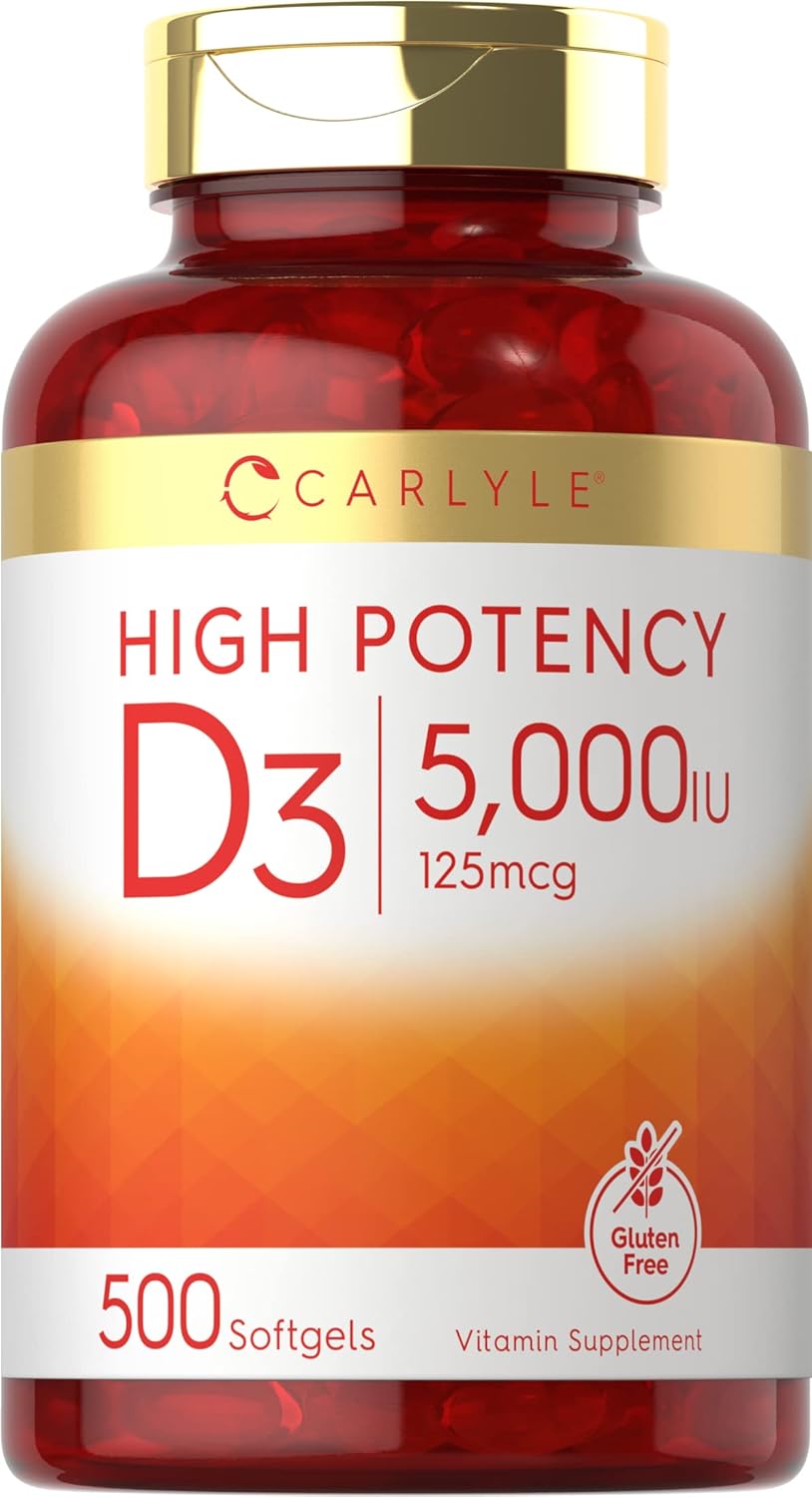
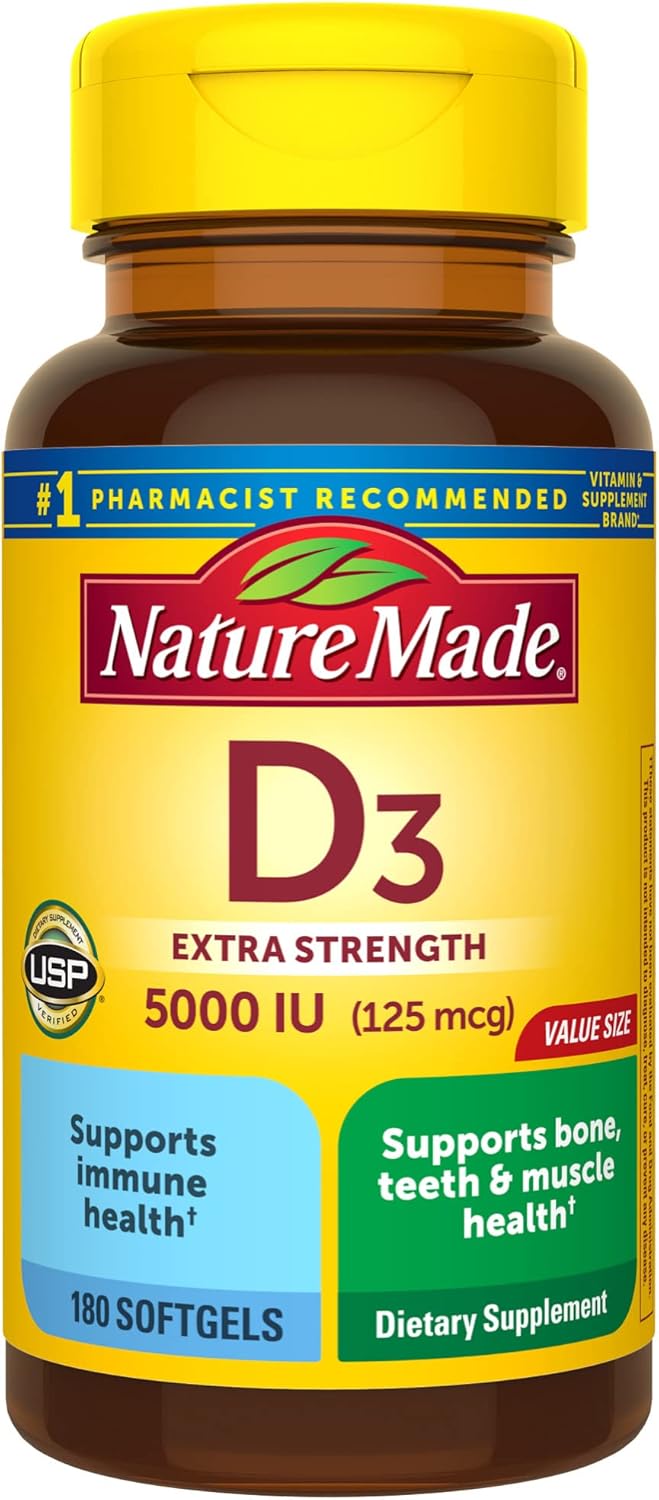
Chronic low vitamin D is linked to weakened bones, impaired immune response, increased fatigue, and emerging research ties it to mood regulation. The fix is straightforward — supplementation — but choosing the right form and dose matters more than most people realize.
Vitamin D2 vs D3: The Difference That Actually Matters
Vitamin D comes in two supplemental forms: D2 (ergocalciferol) and D3 (cholecalciferol). D2 is plant-derived, usually from irradiated mushrooms or yeast. D3 comes from animal sources — typically lanolin extracted from sheep's wool, or fish liver oil. Vegan D3 options sourced from lichen have become widely available in the last few years.
| Factor | Vitamin D2 (Ergocalciferol) | Vitamin D3 (Cholecalciferol) |
|---|---|---|
| Source | Mushrooms, yeast (plant-based) | Lanolin, fish oil, lichen |
| Potency | Lower — degrades faster in blood | Higher — sustains serum levels longer |
| Prescription Use | Common (50,000 IU weekly capsules) | Less common in Rx, dominant OTC |
| Vegan Friendly | Yes (naturally) | Yes (lichen-sourced options) |
| Shelf Stability | Lower — sensitive to humidity and heat | Higher |
| Cost (per 1000 IU) | $0.03 - $0.08 | $0.02 - $0.10 |
How Much Vitamin D Do You Actually Need?
The official RDA from the National Institutes of Health is 600 IU daily for adults under 70 and 800 IU for adults over 70. Most vitamin D researchers and endocrinologists consider these numbers outdated and conservative. The Endocrine Society recommends 1,500 to 2,000 IU daily for adults to maintain serum levels above 30 ng/mL, and many functional medicine practitioners go higher.
A practical approach: if you have not had your levels tested, start with 2,000 IU daily of D3. Get a blood test after 8 to 12 weeks. If your 25(OH)D level is below 30 ng/mL, increase to 4,000 or 5,000 IU daily and retest. The tolerable upper intake level set by the NIH is 4,000 IU, but toxicity is extremely rare below 10,000 IU daily and typically requires sustained intake above that threshold for months.
- Maintenance (levels already 30+ ng/mL): 1,000 - 2,000 IU/day
- Moderate deficiency (20-29 ng/mL): 2,000 - 4,000 IU/day
- Significant deficiency (below 20 ng/mL): 5,000 IU/day (consult your doctor)
- Always pair with vitamin K2 (MK-7 form) for calcium metabolism support
- Take with a meal containing fat for best absorption
Top Vitamin D Supplements Compared (2026)
I evaluated these based on form, dosage options, third-party testing, added ingredients, price per serving, and personal experience where applicable. All picks are D3 unless otherwise noted.
| Product | Form | Dose | Third-Party Tested | Key Feature | Price (approx.) |
|---|---|---|---|---|---|
| NatureWise Vitamin D3 | Softgel (olive oil) | 5,000 IU | Yes (NSF) | Best overall value | $0.04/serving |
| Thorne Vitamin D3 | Liquid drops | 1,000 IU/drop | Yes (NSF for Sport) | Flexible dosing | $0.08/serving |
| Sports Research D3 + K2 | Softgel (coconut oil) | 5,000 IU + 100mcg K2 | Yes (IGEN) | Best D3+K2 combo | $0.12/serving |
| Nordic Naturals Vitamin D3 | Softgel (olive oil) | 1,000 IU | Yes (USP, multiple) | Premium quality control | $0.10/serving |
| Garden of Life mykind Organics | Chewable tablet | 2,000 IU | Yes (NSF) | Vegan, whole-food sourced | $0.22/serving |
| Doctor's Best Vitamin D3 | Softgel | 5,000 IU | Yes (Eurofins) | Budget pick | $0.03/serving |
| MegaFood Vitamin D3 | Tablet | 2,000 IU | Yes (NSF) | Food-based, gentle on stomach | $0.30/serving |
Best Overall: NatureWise Vitamin D3 5,000 IU
NatureWise has been a top seller on Amazon for years, and the reasons are straightforward: NSF certification, clean ingredient list (just D3 in organic olive oil inside a gelatin softgel), and a price that is hard to beat at roughly four cents per serving. Each bottle contains 360 softgels, making it a full year's supply. The softgels are small and easy to swallow. I used these for six months and my serum levels went from 18 ng/mL to 52 ng/mL at 5,000 IU daily.
Best for Flexible Dosing: Thorne D3 Liquid Drops
Thorne is a premium supplement brand trusted by professional athletes and used in clinical research settings. Their liquid D3 delivers 1,000 IU per drop, so you can dial in your exact dose — two drops for 2,000 IU, five drops for 5,000 IU. The medium-chain triglyceride (MCT) oil base helps absorption. The downside is price: at roughly eight cents per 1,000 IU drop, a 5,000 IU daily dose runs about 40 cents per day. Worth it if you value precision and brand reputation.
Best D3 + K2 Combo: Sports Research D3 + K2
Vitamin K2 in the MK-7 form works synergistically with D3 by directing calcium into your bones rather than allowing it to accumulate in your arteries. This combo is increasingly recommended, especially for people taking higher D3 doses. Sports Research packages 5,000 IU D3 with 100 mcg of K2 (MK-7) in a coconut oil-based softgel. It carries IGEN non-GMO certification and is one of the most popular combination products available. The 12 cents per serving cost is reasonable given that you are getting two supplements in one.
Best Vegan Option: Garden of Life mykind Organics
Most D3 comes from lanolin (sheep's wool). Garden of Life sources their D3 from lichen, making it fully vegan. The chewable raspberry-lemon tablets taste decent without artificial flavors. They carry USDA Organic, Non-GMO Project Verified, and NSF certifications. At 22 cents per serving for 2,000 IU, you pay a premium for the vegan sourcing and organic certification, but for those who need it, the options in this category are limited and Garden of Life is the most reliable.
Absorption Tips That Actually Help
Vitamin D is fat-soluble, which means it needs dietary fat to absorb properly. A 2015 study published in the Journal of the Academy of Nutrition and Dietetics found that taking vitamin D with the largest meal of the day (which typically contains the most fat) increased absorption by up to 50% compared to taking it on an empty stomach or with a fat-free meal.
Practical tips that I follow: take your vitamin D with breakfast or lunch (not dinner, as some reports suggest it can interfere with melatonin production). If your supplement is already in an oil-based softgel, you get some built-in fat, but pairing it with avocado, eggs, nuts, or olive oil at mealtime still helps. Avoid taking vitamin D at the same time as high-fiber meals, which can reduce absorption.
When to Test and What Numbers Mean
The blood test you want is 25-hydroxyvitamin D, often written as 25(OH)D. Most labs use these reference ranges:
- Below 12 ng/mL: Deficient (risk of rickets, osteomalacia)
- 12 - 20 ng/mL: Insufficient
- 20 - 50 ng/mL: Adequate for most people
- 30 - 60 ng/mL: Optimal range (per Endocrine Society)
- Above 100 ng/mL: Potential toxicity risk
- Above 150 ng/mL: Toxic (hypercalcemia risk)
Testing through your primary care doctor is the most reliable route. If you want to self-monitor, companies like Everlywell and LetsGetChecked offer at-home vitamin D test kits for $30 to $50. Test in late winter (February or March) to catch your lowest point, and again in late summer to see your peak.
Frequently Asked Questions
Can you take too much vitamin D?
Yes, but toxicity is rare at normal supplemental doses. Cases in the medical literature typically involve accidental mega-doses (over 50,000 IU daily for extended periods) or manufacturing errors. The main risk is hypercalcemia — excess calcium in the blood — which can cause nausea, kidney stones, and in severe cases, cardiac issues. Staying below 10,000 IU daily and monitoring blood levels keeps you in safe territory.
Should I take vitamin D with vitamin K2?
It is a good idea, especially at doses above 2,000 IU daily. Vitamin D increases calcium absorption from your gut. Vitamin K2 (specifically the MK-7 form) activates proteins that direct that calcium into bones and teeth rather than soft tissues and arteries. A typical pairing is 100 mcg of K2 MK-7 per 5,000 IU of D3.
Is D2 or D3 better for vegans?
D2 is inherently plant-based, but D3 from lichen is now widely available and more effective at raising blood levels. If you are vegan, look for lichen-sourced D3 products like Garden of Life mykind Organics or Naturelo Vegan D3. You get the superior absorption of D3 without animal-derived ingredients.
What time of day should I take vitamin D?
Morning or midday with a meal that contains fat. Some people report sleep disruption when taking vitamin D in the evening, possibly because it may suppress melatonin production. The evidence on timing is not conclusive, but taking it earlier in the day with food is the safest bet for both absorption and sleep quality.
How long does it take to raise vitamin D levels?
Most people see significant improvement in 8 to 12 weeks of consistent supplementation. My own levels went from 18 to 52 ng/mL in about five months at 5,000 IU daily. Higher starting deficiency and higher body weight (vitamin D is stored in fat tissue) can slow the process. Get retested at the 3-month mark to check progress.
Do vitamin D supplements expire?
They lose potency over time, especially D2, which degrades faster than D3. Most softgel D3 products maintain labeled potency for 2 to 3 years when stored in a cool, dry place. Liquid drops may have shorter shelf lives once opened. Check the expiration date and avoid storing supplements in bathrooms where heat and humidity accelerate degradation.
As an Amazon Associate, I earn from qualifying purchases. This comes at no additional cost to you.


댓글
댓글 쓰기